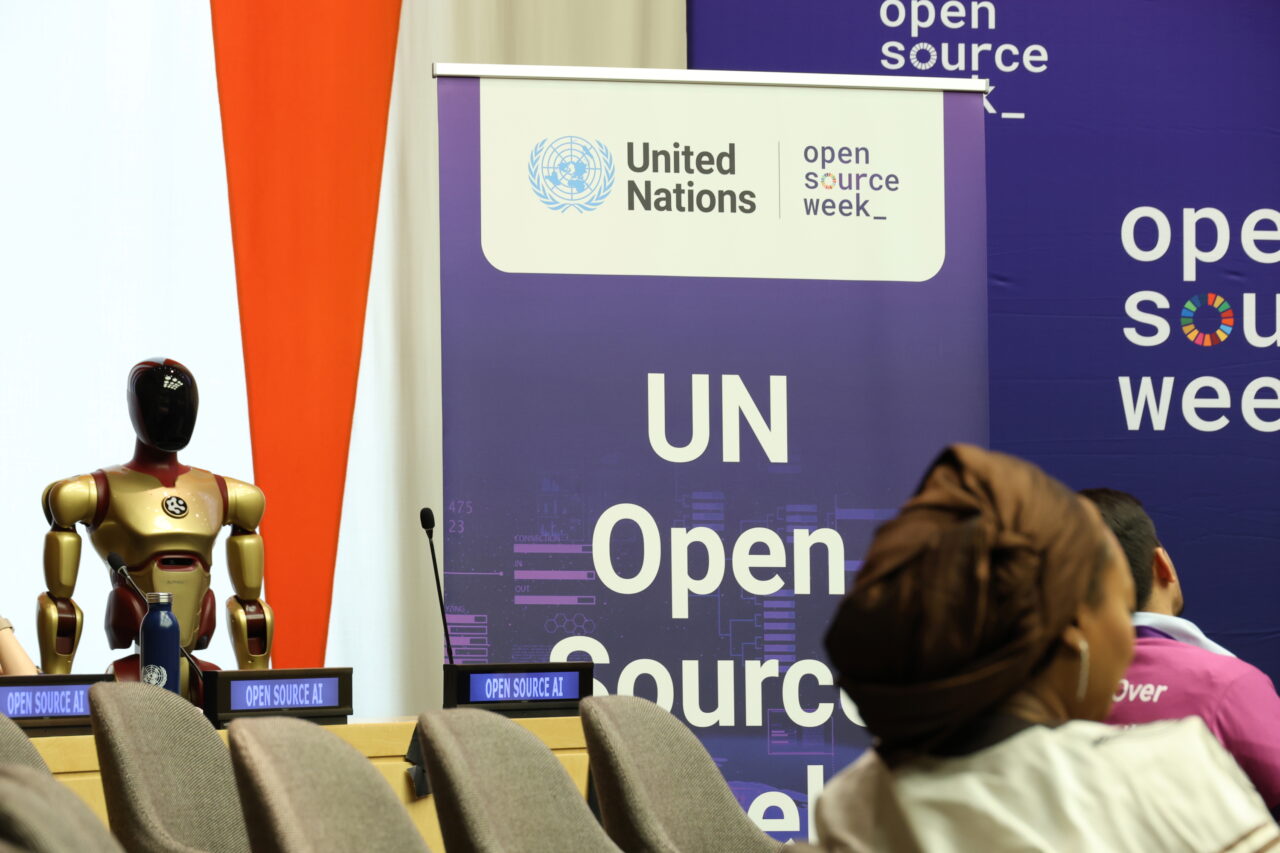
New York – 29 June 2026
During the UN Open Source Week 2026, held from 22 to 26 June at United Nations Headquarters in New York, the United Nations International Computing Centre (UNICC) contributed to global discussions on the role of open source in advancing digital cooperation, artificial intelligence (AI), digital public infrastructure (DPI), and sustainable innovation globally.
Organized by the UN Office for Digital and Emerging Technologies (UN ODET) and the UN Office of Information and Communications Technology (OICT), the UN Open Source Week brings together UN entities, governments, academia, civil society, and the global open-source community to foster collaboration and accelerate the adoption of open technologies in support of the Sustainable Development Goals. As a member of the UN Open Source Week Advisory Group, UNICC actively supports this growing community and its mission to strengthen open, secure, and interoperable digital ecosystems.
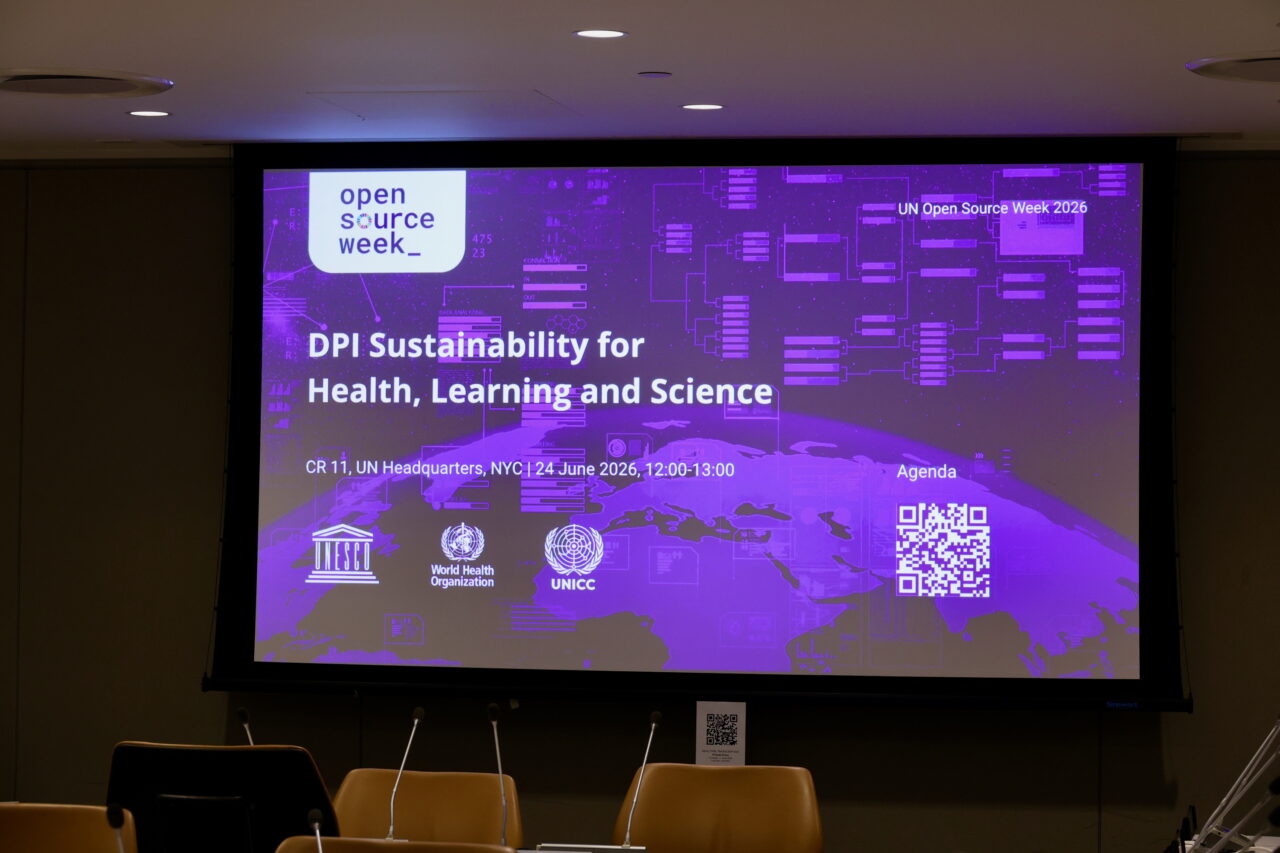
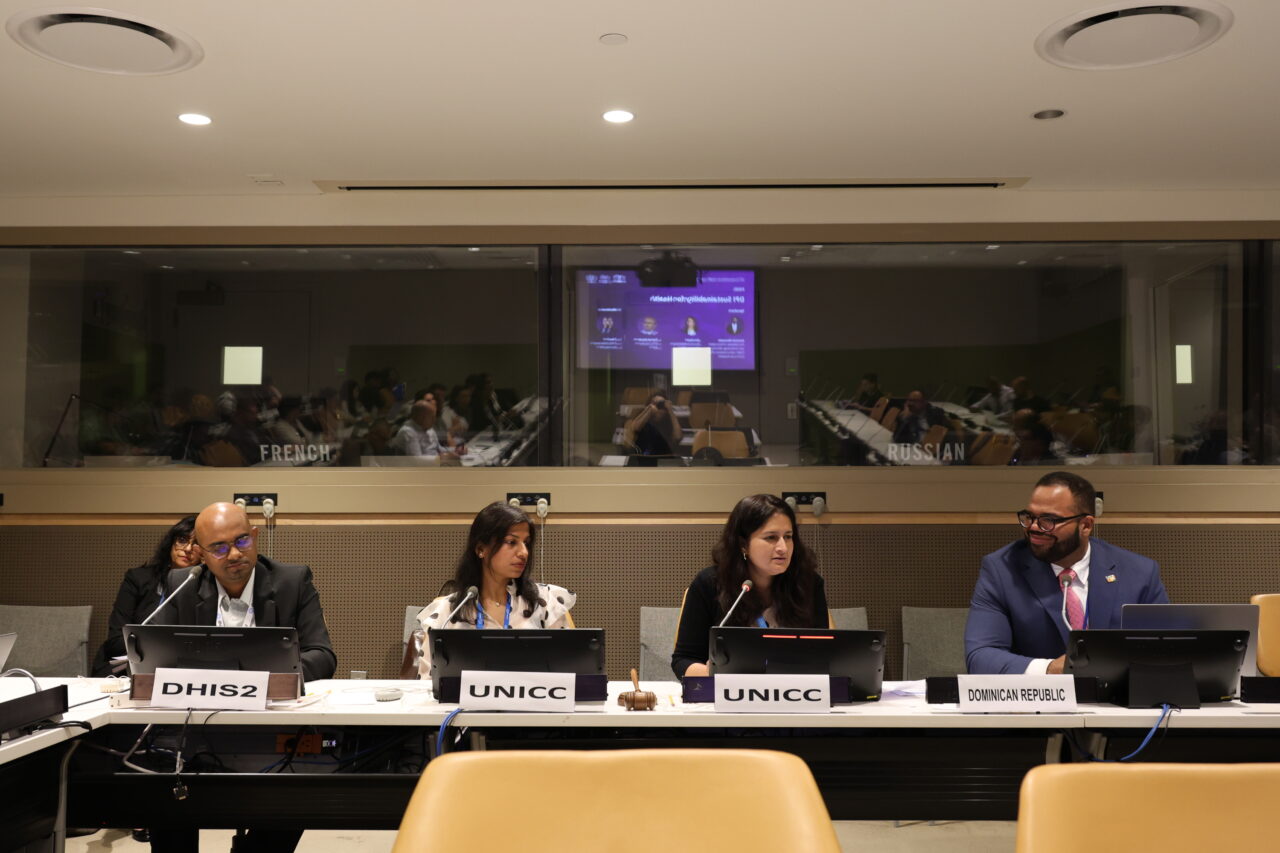
As part of the programme, UNICC co-organized the session “DPI Sustainability for Health, Learning, and Science” together with the United Nations Educational, Scientific and Cultural Organization (UNESCO) and the World Health Organization (WHO). The event explored how Digital Public Infrastructure can be designed for long-term sustainability, moving beyond open-source licensing towards an approach that promotes resilience, local ownership, and collaborative innovation. Bringing together perspectives from international organizations, the public sector, and the open-source community, the discussion highlighted the importance of governance, community engagement, and sustainable investment in ensuring that digital public goods continue to deliver value over time.
“Our experience has consistently shown that sustainable digital transformation is not built from isolated applications. It is built from reusable components, open standards, and open-source building blocks that can be adapted, improved, and shared across organizations and countries,” highlighted Anish Sethi, Chief of the UNICC Digital Solutions Centre. “When designed well, these digital assets become part of a broader digital commons, creating value far beyond any single project or funding cycle.”
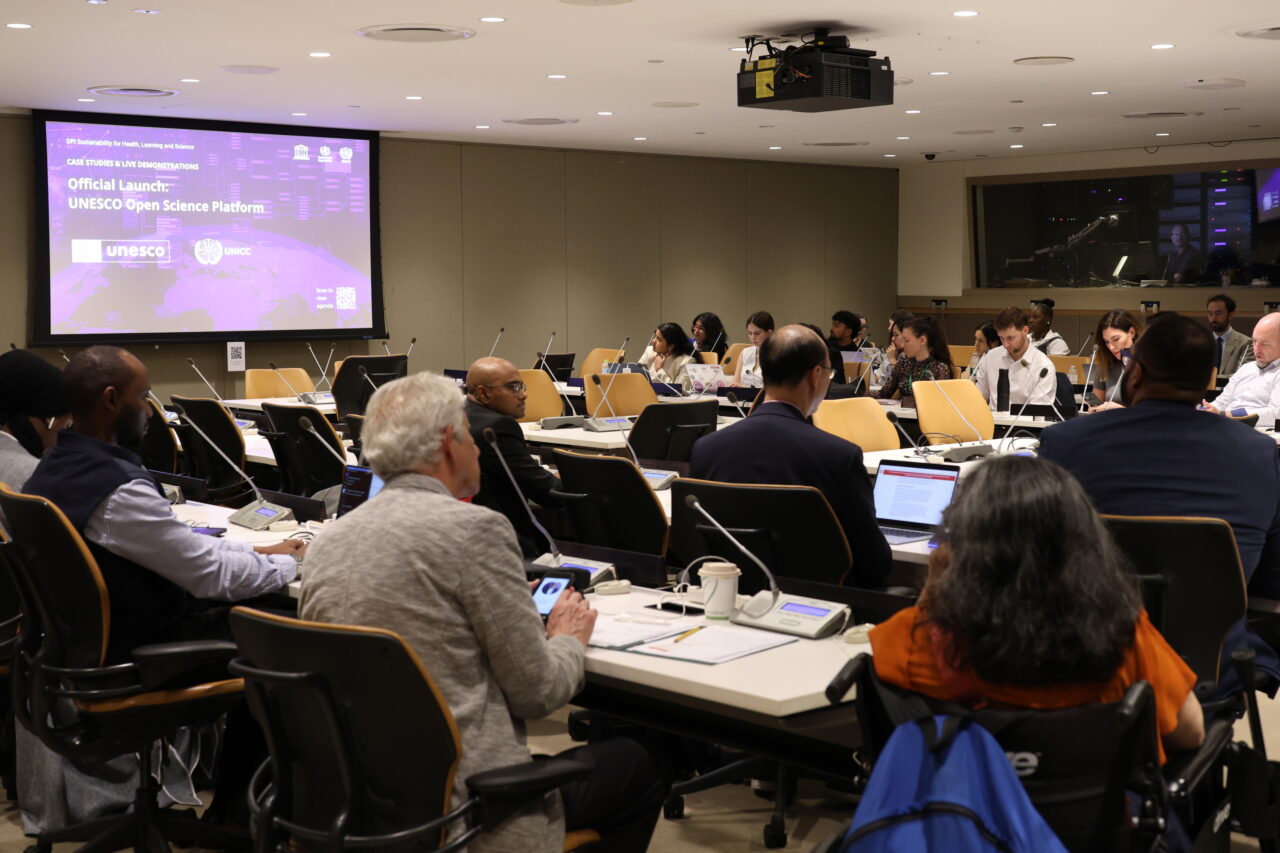
During the event, UNESCO also officially launched its Open Science Platform, developed in collaboration with UNICC as Free and Open Source Software (FOSS), underscoring the potential of open technologies to support scientific collaboration and knowledge sharing worldwide.
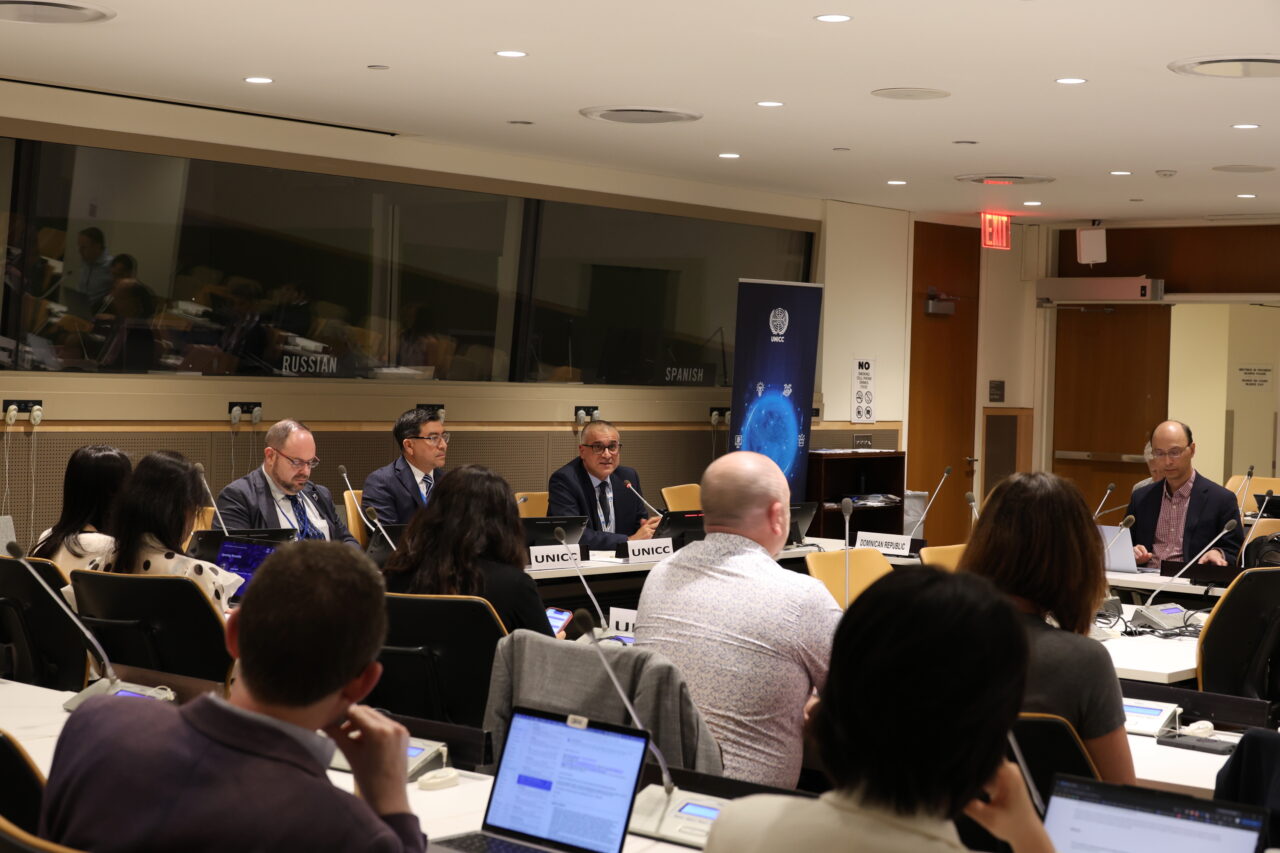
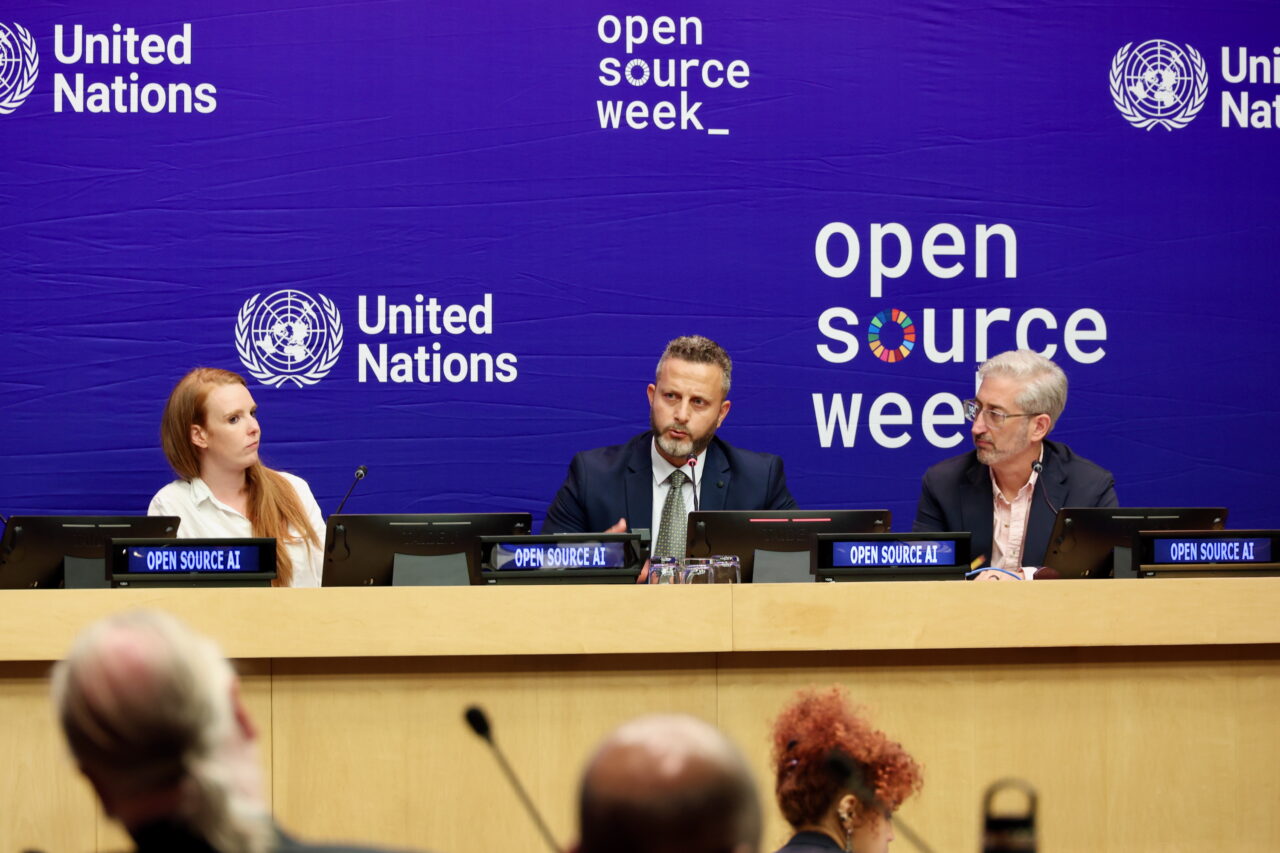
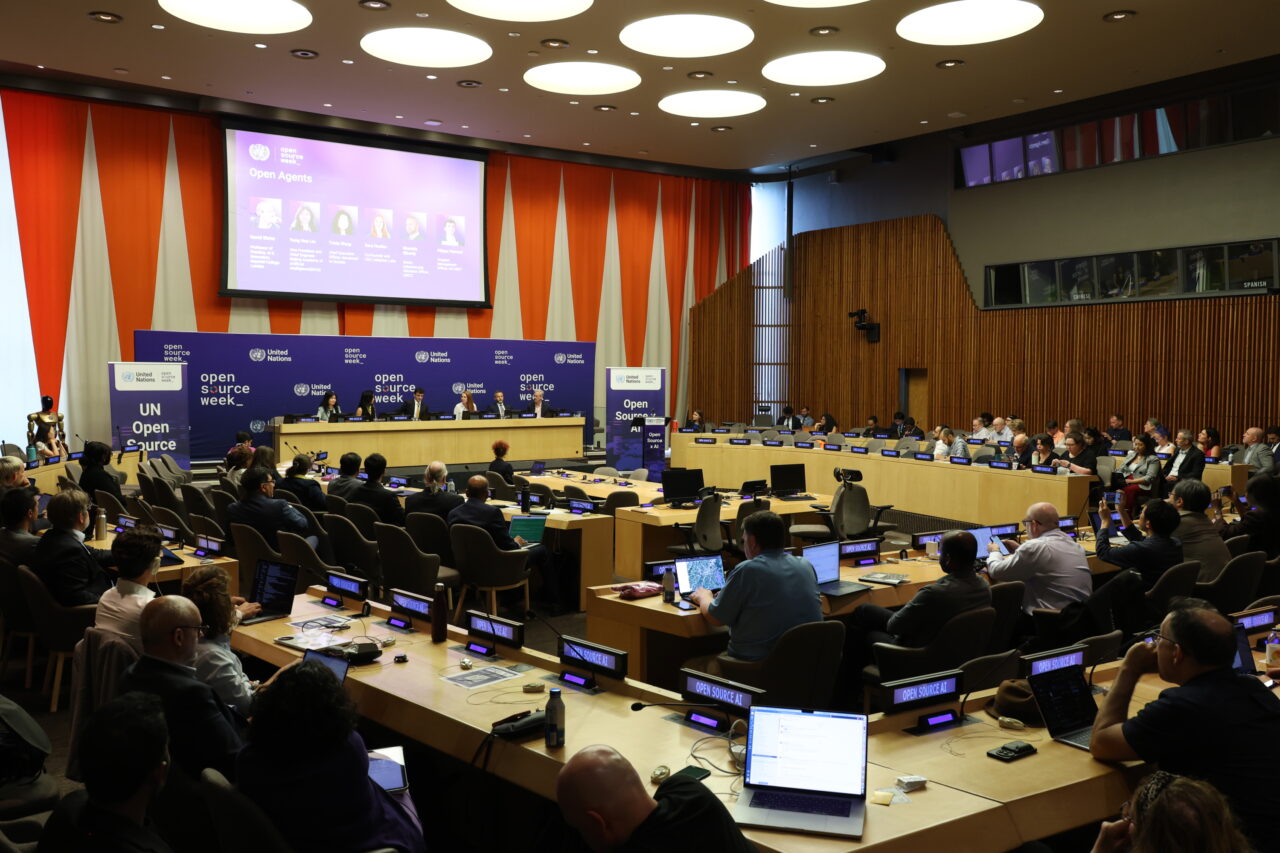
UNICC also contributed to the session “Open Source x AI: Open Agents”, where it joined discussions on the evolving ecosystem of open AI agents. The session examined how open models, standards, and collaborative approaches can help foster trustworthy, transparent, and accountable AI while strengthening innovation across sectors. Drawing on UNICC’s expertise, Mostafa Elkordy, Senior Cybersecurity Solutions Officer, shared perspectives on the new human-agent operating model and how trust, governance, open source, and cryptography can help shape the agentic economy.
Beyond the conference programme, UNICC also supported the UN Tech Over Hackathon, a four-day collaborative innovation event held during UN Open Source Week that brought together participants from across the UN system and beyond to develop open-source solutions for global challenges. By hosting and operating the UN Open Source Platform, UNICC provided the collaborative GitLab environment where participants worked on challenges including the UN Data Commons, AI governance, geospatial analytics, and child safety. During the event, the platform welcomed 95 new members, supported 58 hackathon participants, and hosted 19 GitLab projects and 35 merge requests, demonstrating the growing momentum of collaborative open-source development across the UN community.
The discussions held throughout the week reflected the growing recognition that open source has become a strategic global enabler of digital transformation across different sectors. For UNICC, open source is not only a technology choice but also a collaborative model that supports interoperability, transparency, innovation, and long-term sustainability for digital solutions serving international organizations and governments.
Building on this commitment, UNICC recently established its Open Source Program Office (OSPO) and adopted the UNICC Open Source Policy, providing a governance framework to promote the responsible adoption, contribution, and stewardship of open-source software across its services. Through these initiatives, UNICC continues to support the UN family and other international organizations in developing secure, scalable, and sustainable digital solutions that maximize collaboration and shared value.
As digital cooperation continues to evolve, UNICC remains committed to working with its partners, clients, governments, and the global open-source community to advance trusted digital public infrastructure, strengthen innovation, and help deliver technology solutions that contribute to sustainable development.
Learn more about Open Source at UNICC here: https://www.unicc.org/open-source/
For media inquiries, please contact: [email protected].