GENEVA – 13 July 2026
As governments, international organizations, academia and industry gathered in Geneva for a week of high-level discussions on the future of digital cooperation and artificial intelligence (AI), the United Nations International Computing Centre (UNICC) contributed to key conversations taking place across three major global platforms: the Global Dialogue on AI Governance, the AI for Good Global Summit, and WSIS Forum 2026.
Across these engagements, UNICC advanced a consistent message: as AI becomes increasingly central to the work of the UN system and beyond, the challenge is no longer simply adopting AI. It is building the trusted digital foundations that allow AI to be deployed securely, governed responsibly and scaled efficiently across organizations. As highlighted in the Preliminary Report of the Independent International Scientific Panel on AI, realizing AI’s benefits requires not only access to models, but also the infrastructure, governance, skills and institutional capacity needed to deploy them safely and effectively.
As part of the 23rd United Nations Group on the Information Society (UNGIS) High-Level Meeting, UNICC Director Sameer Chauhan joined senior UN leaders to discuss the future of digital cooperation across the UN system. In his intervention, he highlighted UNICC’s role and emphasized that as AI adoption accelerates, trusted, shared foundations can help reduce fragmentation, strengthen governance, and enable UN organizations to innovate and deliver impact together.
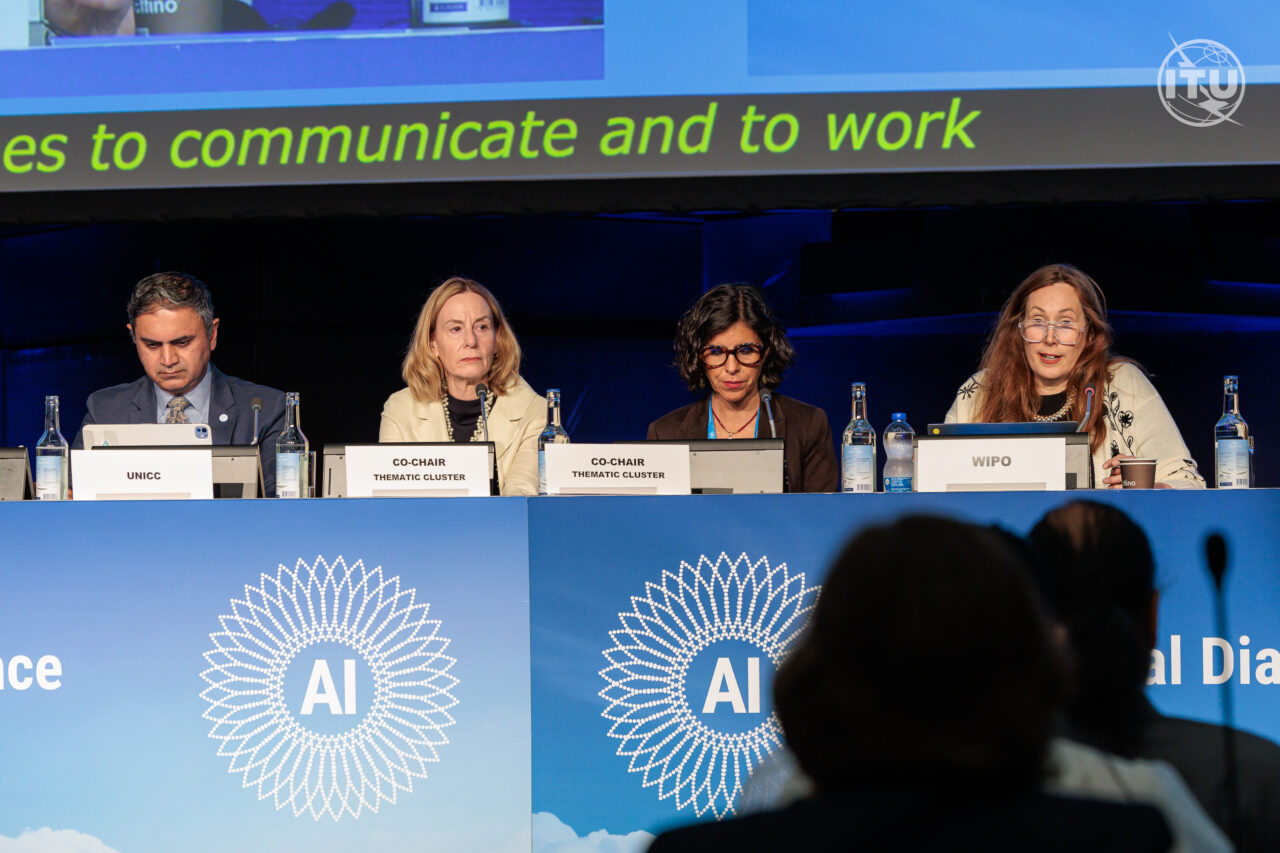
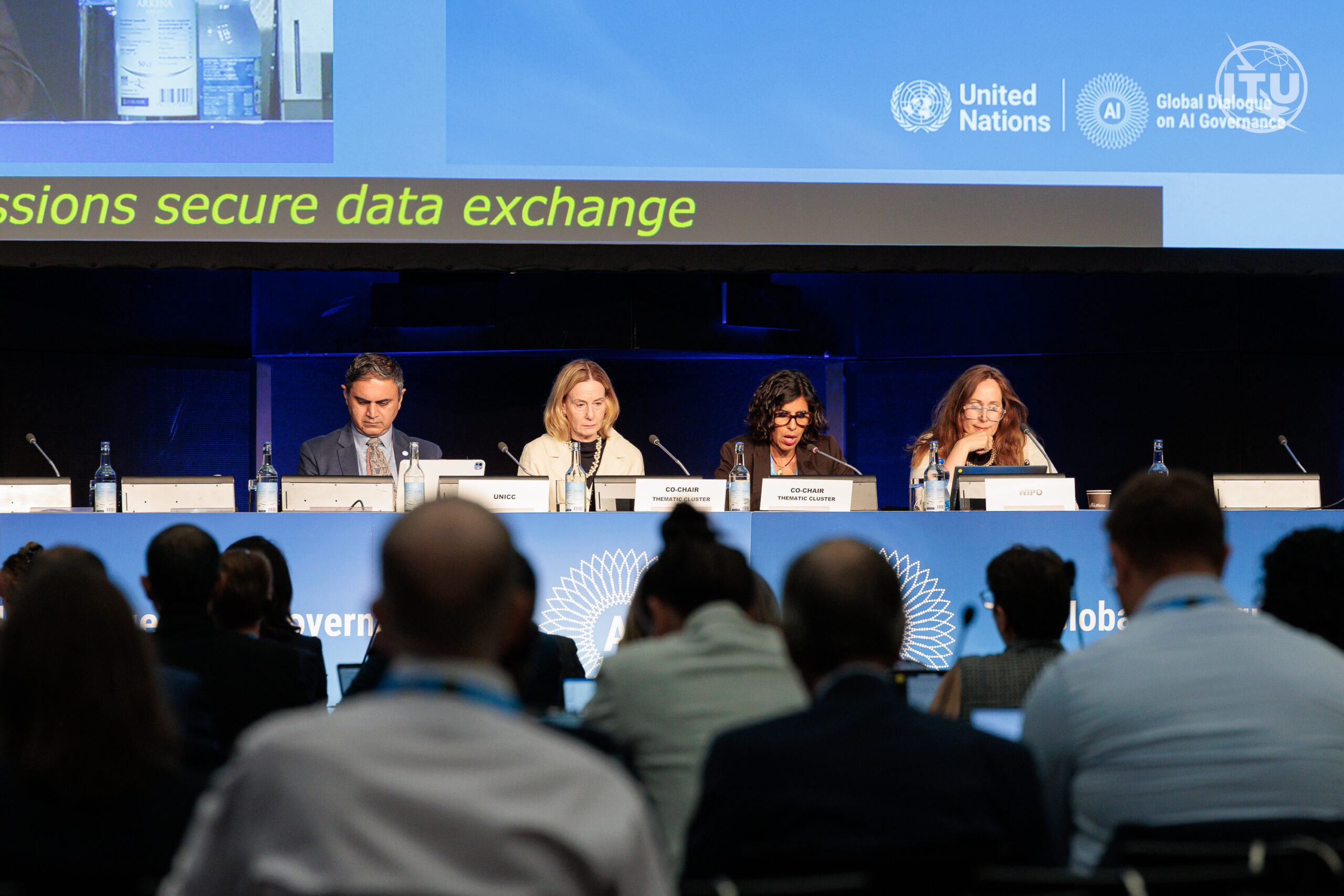
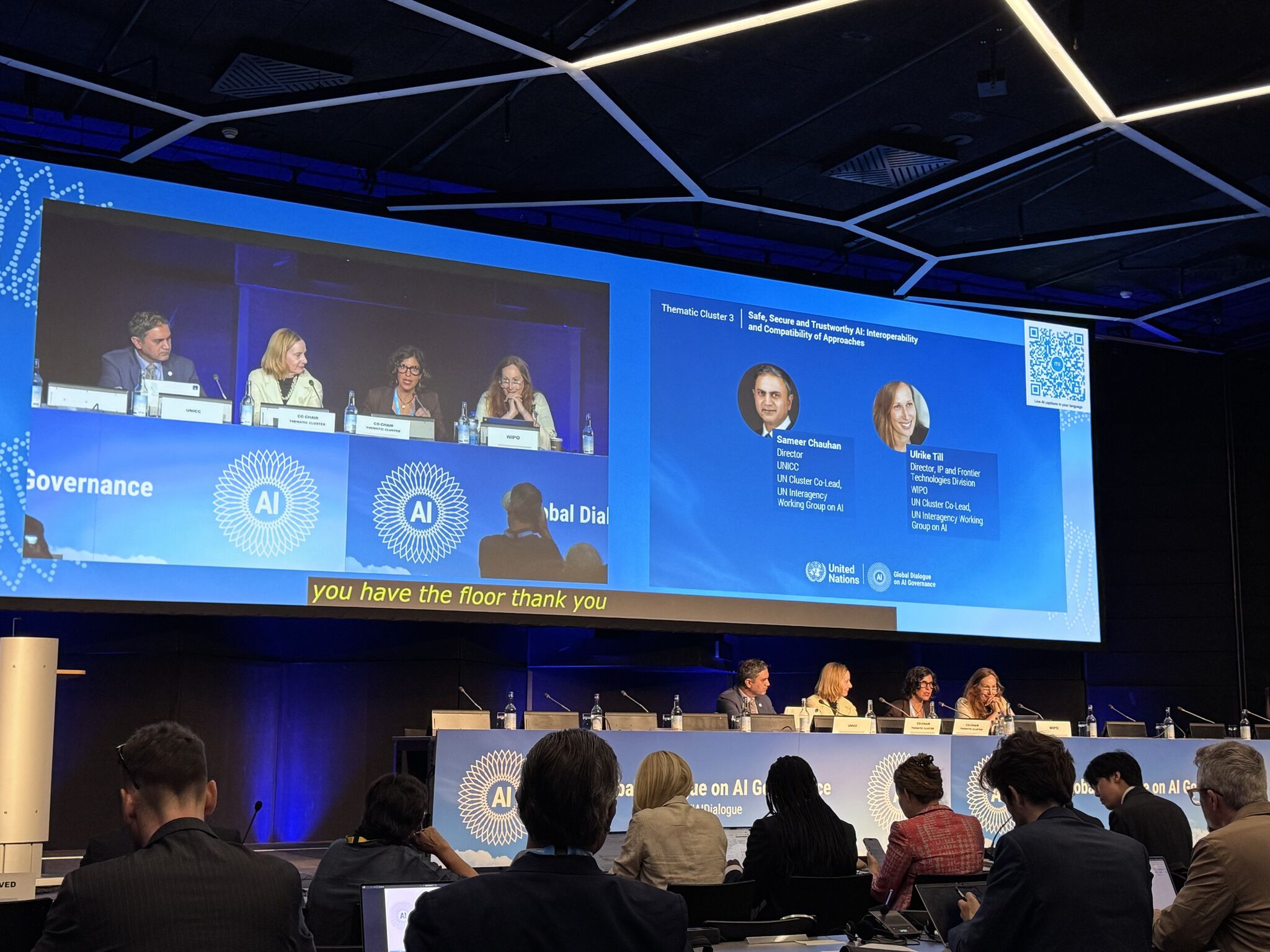
Later in the week, UNICC also contributed to the inaugural UN Global Dialogue on AI Governance, where the Director delivered the opening remarks for the thematic discussion on Safe, Secure, and Trustworthy AI, co-led by UNICC and the World Intellectual Property Organization (WIPO). The session explored the importance of embedding security, trust, and international cooperation throughout the AI lifecycle as governments and organizations advance the responsible adoption of AI. “The future of AI will not be determined by capability alone, but by our collective ability to govern it, connect it, and make it work for everyone”, reflected Chauhan following the Global Dialogue. “Trust must be built into the foundations of AI, and cooperation must overcome fragmentation”.
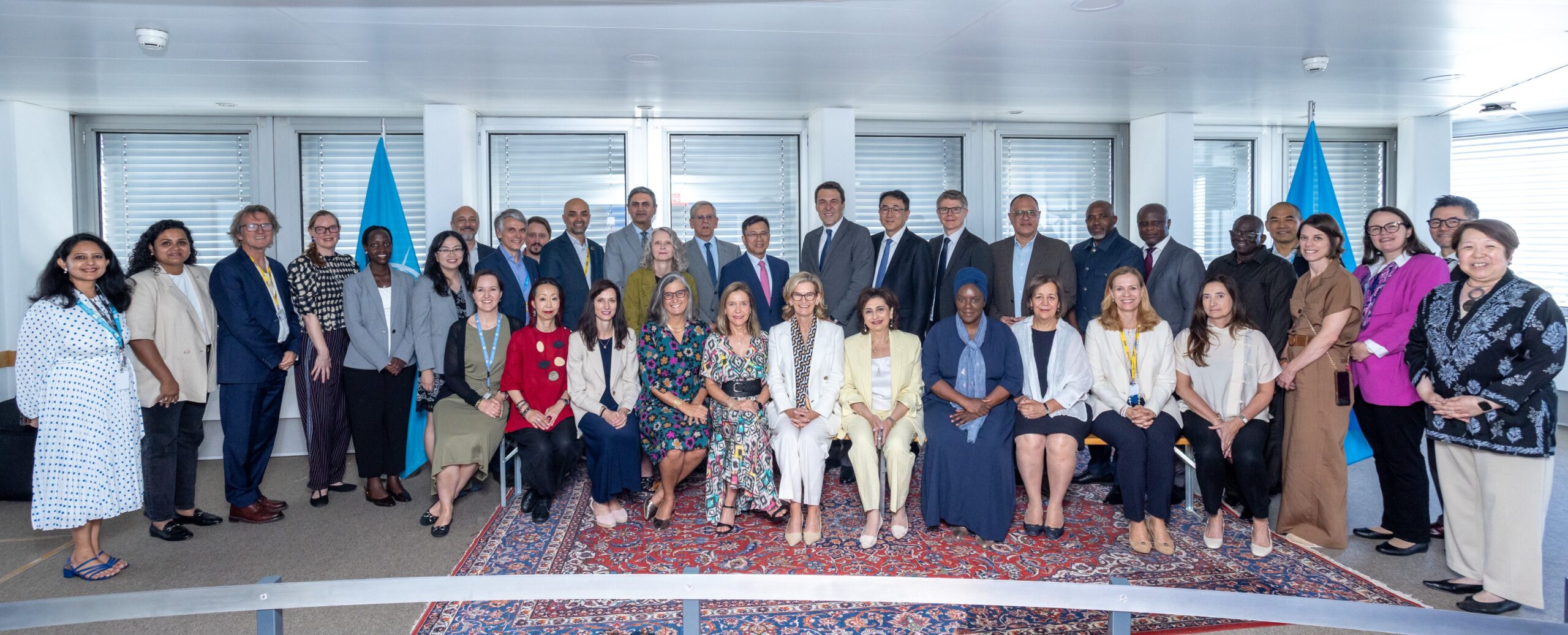
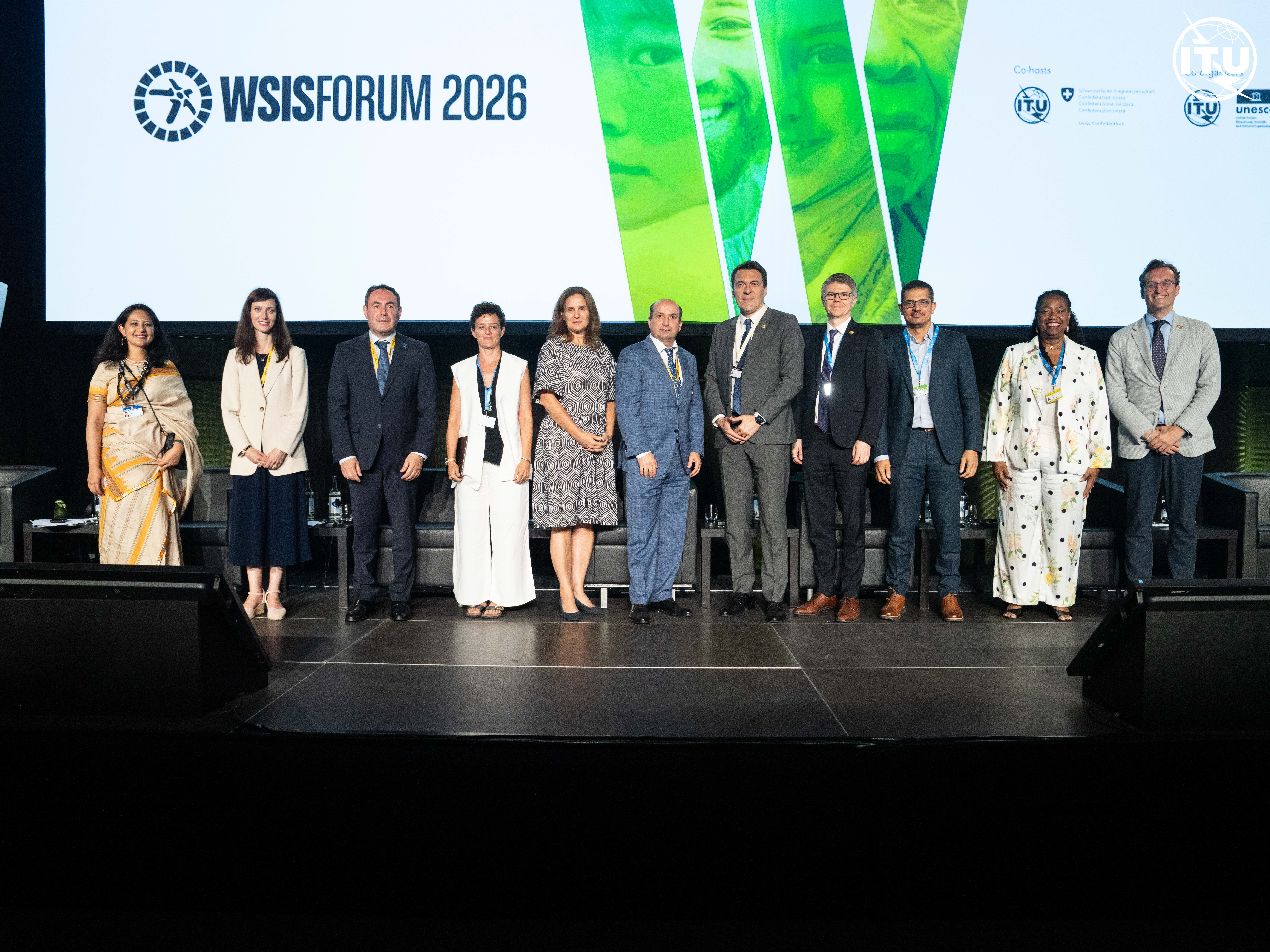
UNICC Deputy Director Milena Grecuccio also represented the organization at the UN Leaders’ Dialogue during the WSIS Forum, where she highlighted that AI is creating a new generation of digital infrastructure requirements that call for trusted digital foundations. Grecuccio also emphasized UNICC’s partnership model, in which every UN organization is represented and collectively helps shape the technologies, services, and shared digital foundations on which the UN system relies.
Building on this approach, she presented the organization’s vision for three Foundational AI Platforms: an AI Factory, to move AI solutions safely from experimentation to production; an AI Gateway, to govern how AI is accessed, orchestrated and monitored across different models and providers; and an AI Studio, to build production-grade AI agents with guardrails and human oversight built in.
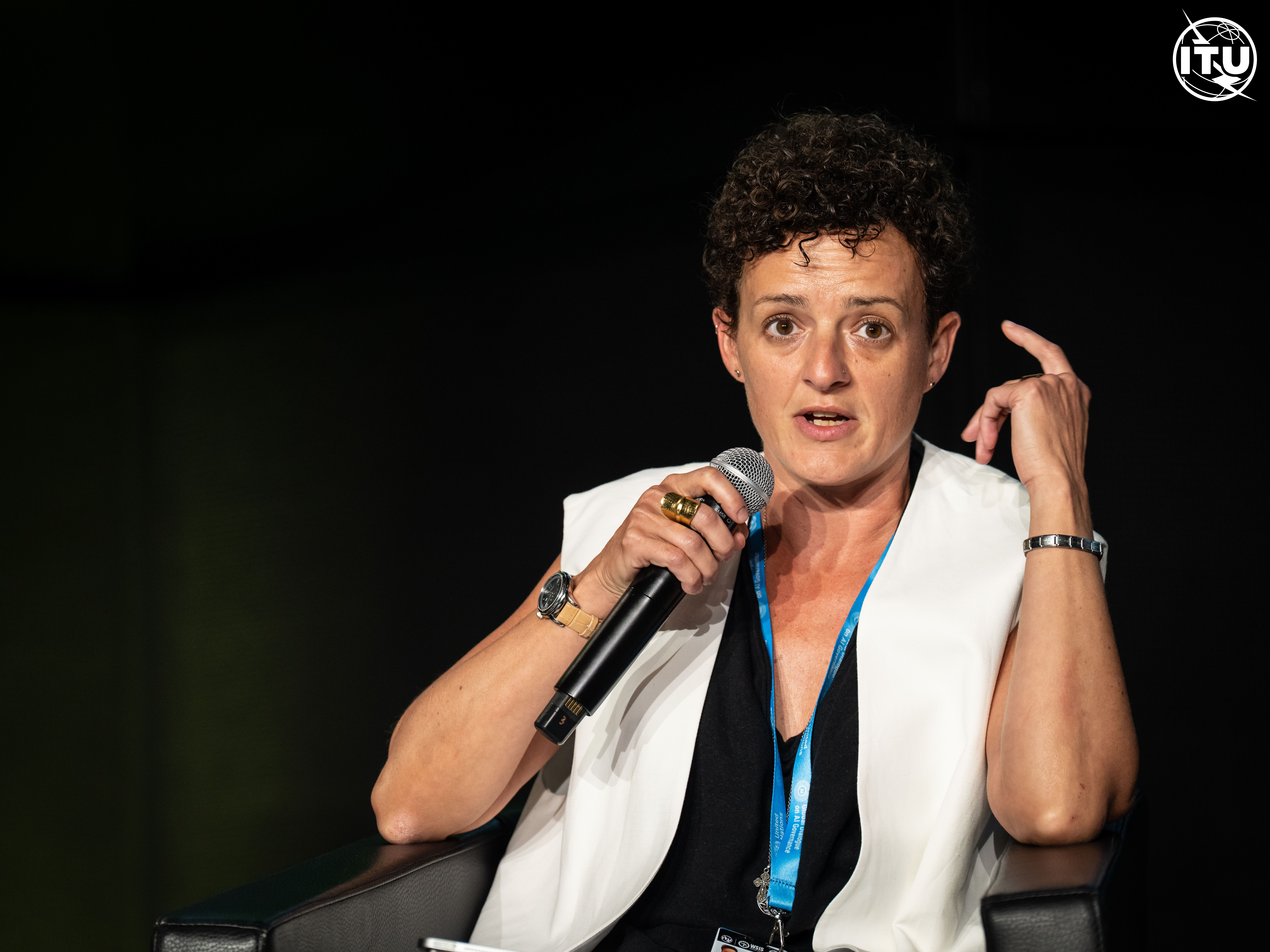
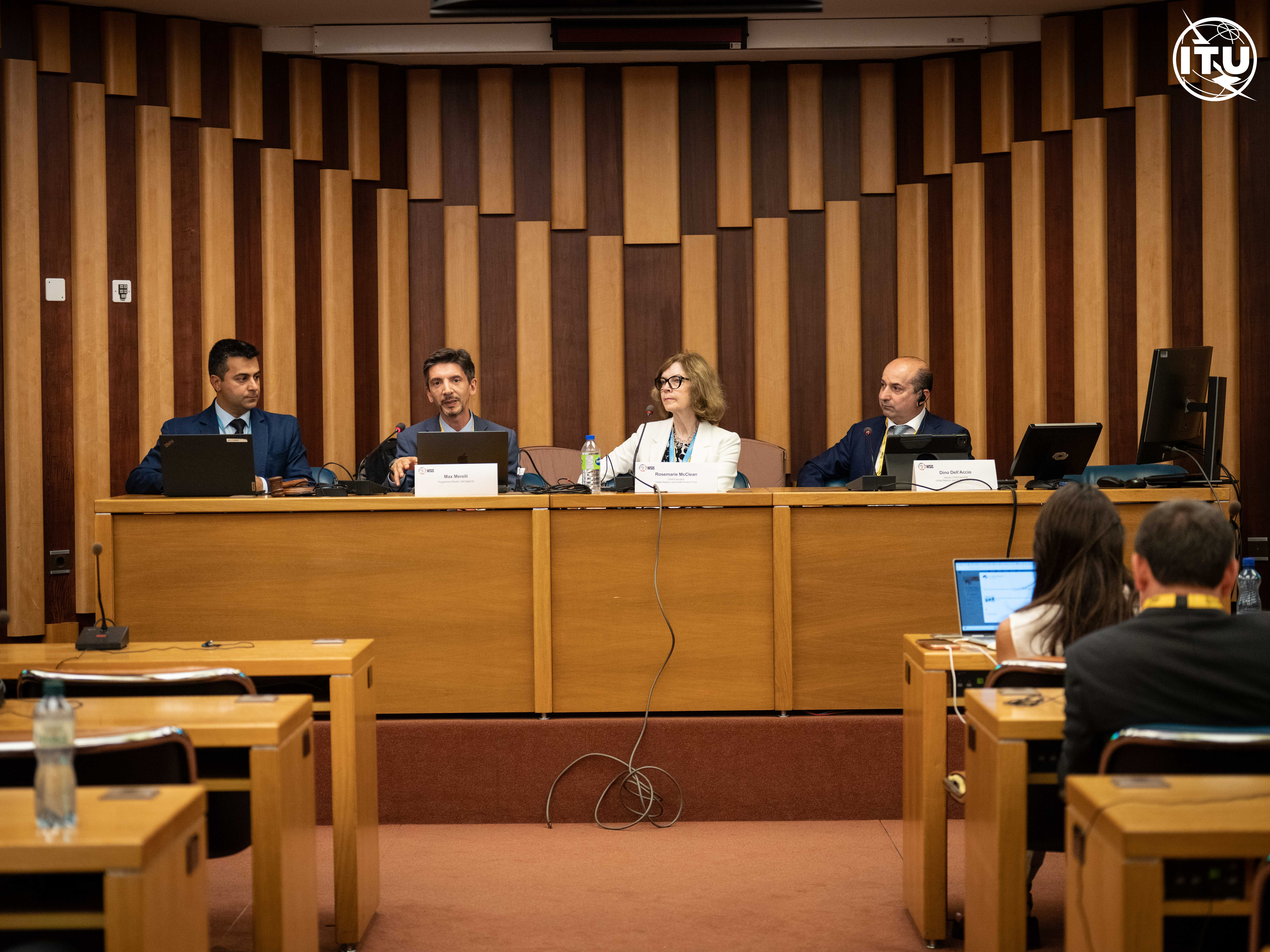
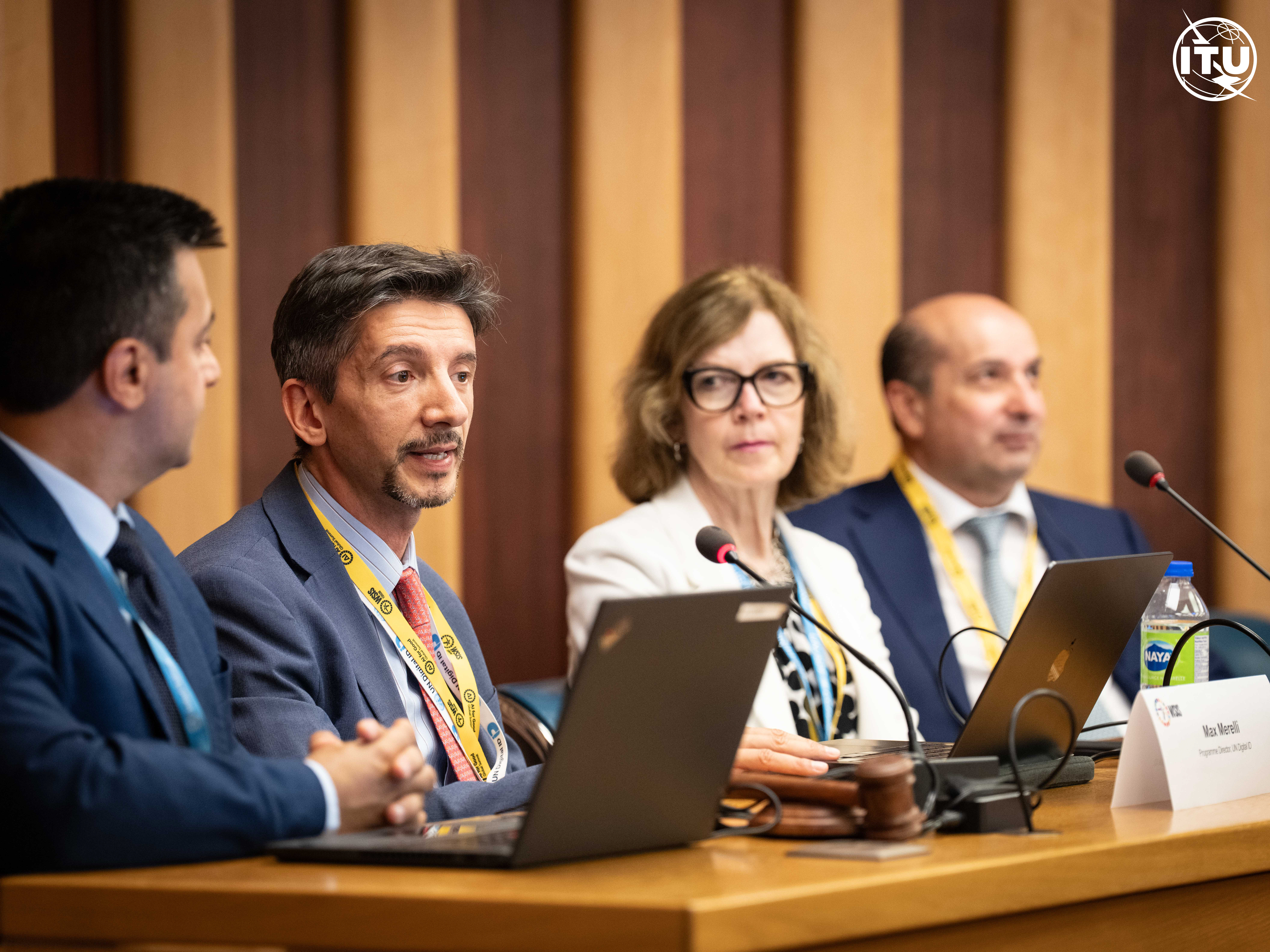
Bringing discussions into practice, UNICC also contributed to the WSIS Forum through the session “Scaling Trust: From Digital Proof-of-Life to a UN Digital Identity Ecosystem”, hosted together with the United Nations Joint Staff Pension Fund (UNJSPF), the United Nations Development Programme (UNDP), and the Inter-American Development Bank (IDB). Representing UNICC as the technology solution provider behind both the Digital Certificate of Entitlement (DCE) and the UN Digital ID, Massimiliano Merelli, Programme Director for the UN Digital ID Programme, discussed how practical digital identity solutions are strengthening trust, interoperability, and secure digital services across the UN system.
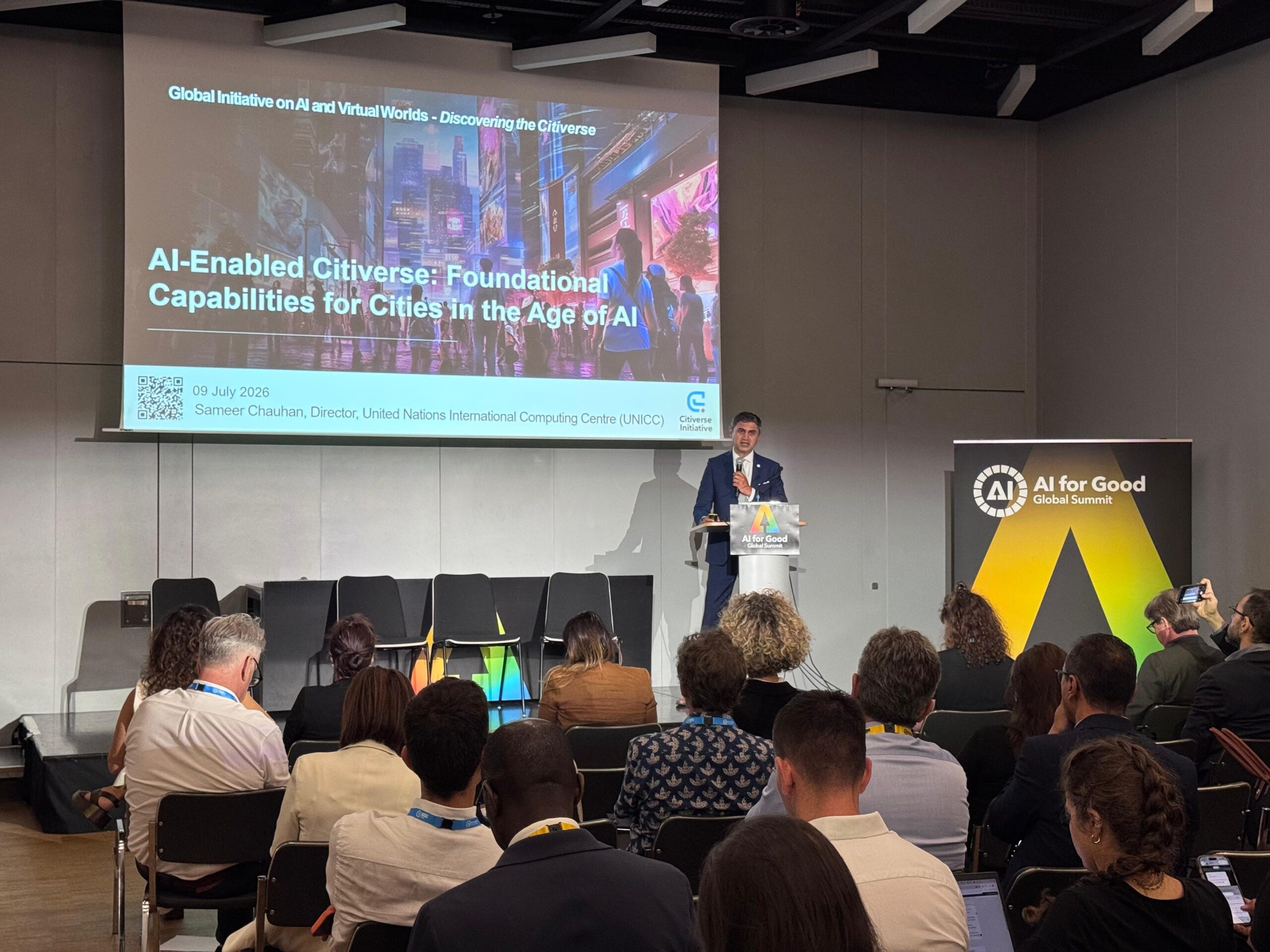
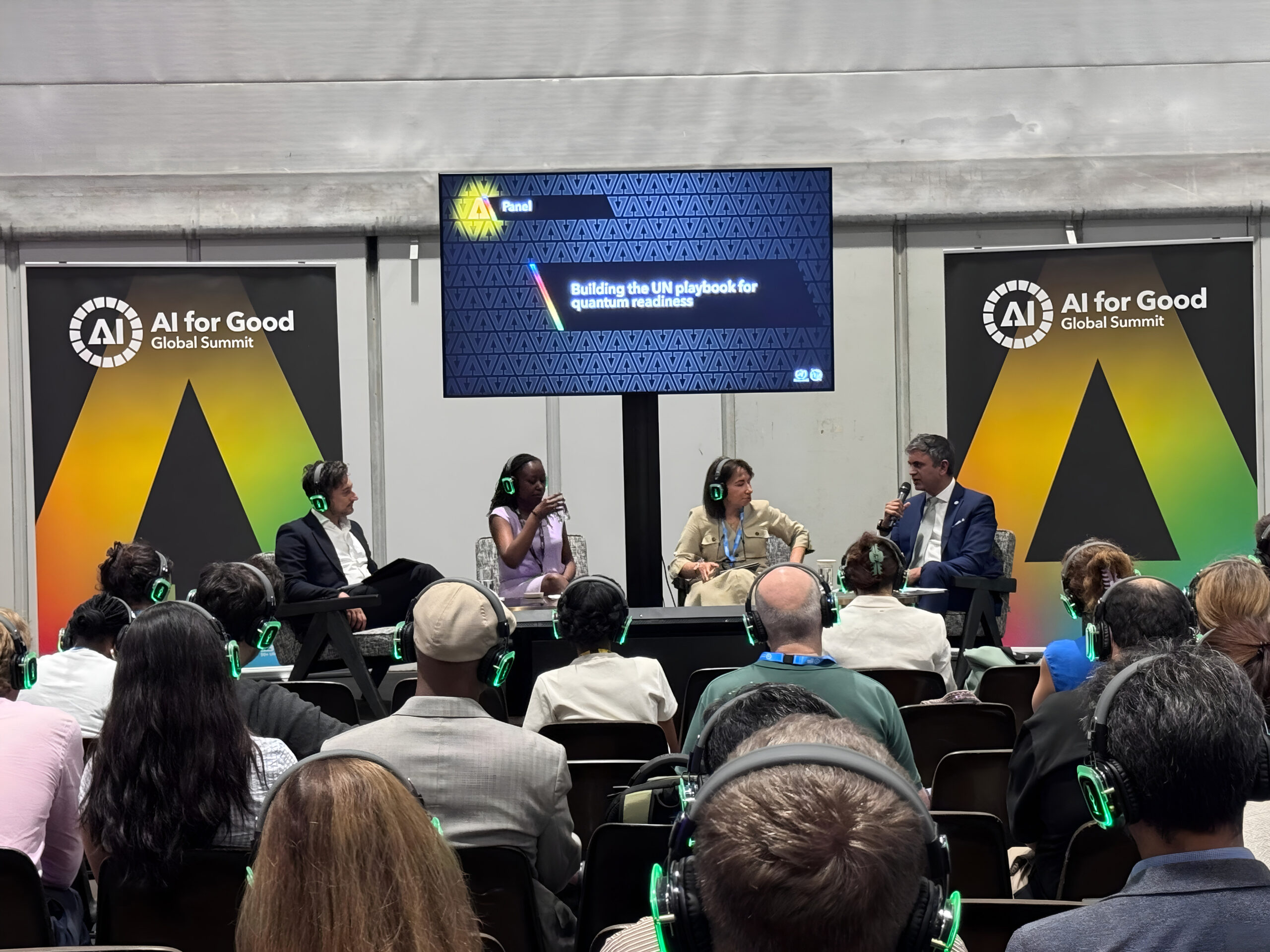
At the AI for Good Global Summit 2026, during the workshop “Cities That Think and Act: Agentic AI, Physical AI and the Citiverse“, the UNICC Director delivered the keynote presentation introducing the publication “AI-Enabled Citiverse: Foundational Capabilities for Cities in the Age of AI”. The document presents a practical framework to help cities translate advances in AI into trusted public value by building interoperable, secure, and human-centred capabilities that strengthen urban development. He joined the panel discussion “The UN Playbook for the Quantum Era: Standards, Access, Trust”, where he shared UNICC’s perspective on helping organizations prepare for the transition to quantum-safe technologies through practical implementation, shared capabilities, and cyber-resilience.
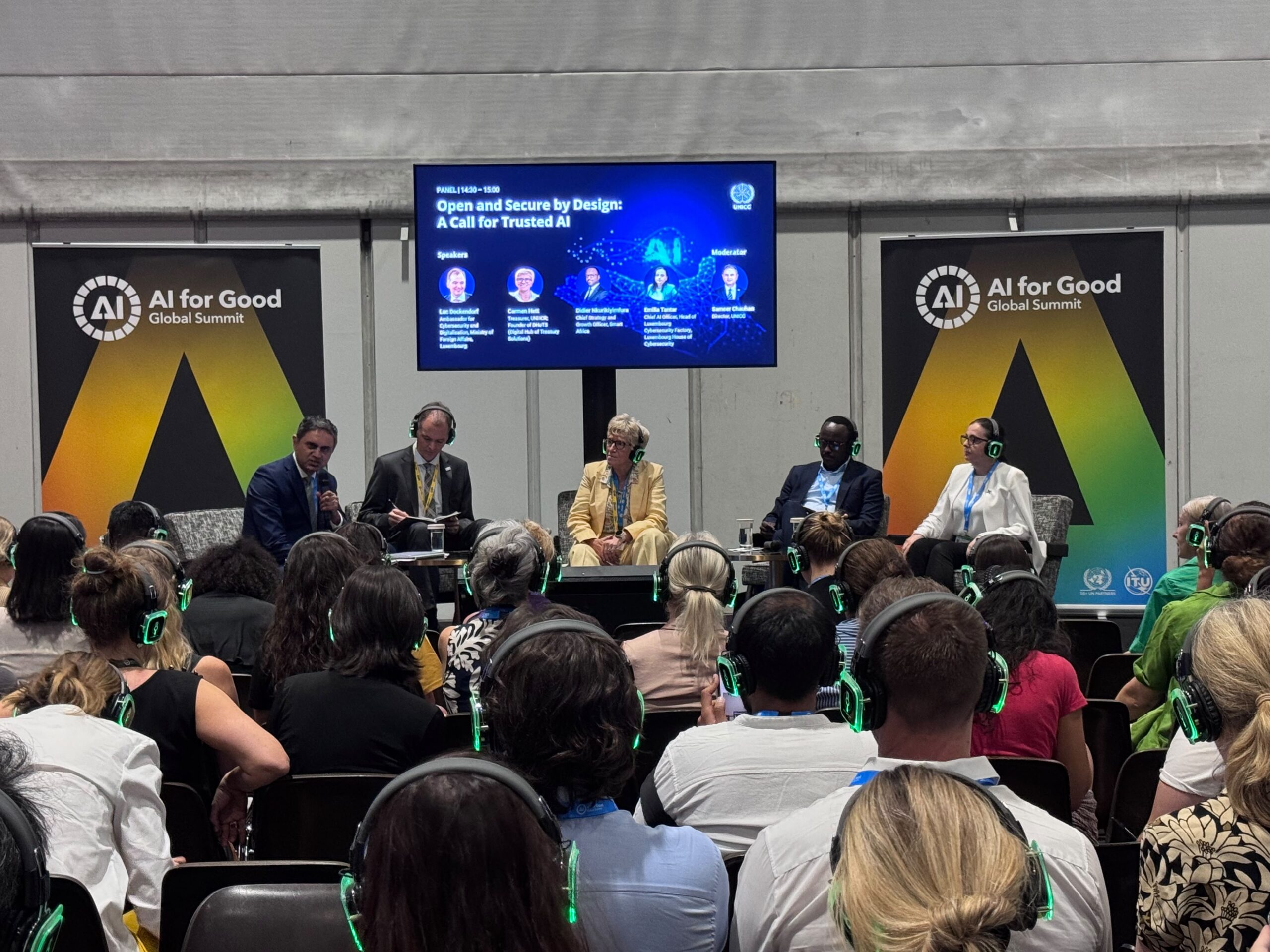
UNICC also co-organized, together with the Government of Luxembourg, the high-level panel “Open and Secure by Design: A Call for Trusted AI”, moderated by Sameer Chauhan. Bringing together H.E. Mr. Luc Dockendorf, Ambassador for Cybersecurity and Digitalisation of Luxembourg; Ms. Emilia Tantar, Chief AI Officer and Head of the Luxembourg Cybersecurity Factory at the Luxembourg House of Cybersecurity; Ms. Carmen Hett, Treasurer at UNHCR; and Mr. Didier Nkurikiyimfura, Chief Strategy and Growth Officer at Smart Africa, the discussion explored how trust in AI must be built from the outset through openness, cybersecurity, and responsible governance.
Panelists emphasized that open-source AI is increasingly becoming a strategic enabler of innovation and digital sovereignty, but that openness must be matched by security across the entire AI lifecycle. The discussion also highlighted the importance of moving beyond fragmented initiatives toward greater international collaboration to advance AI that is open, secure, and trustworthy by design.
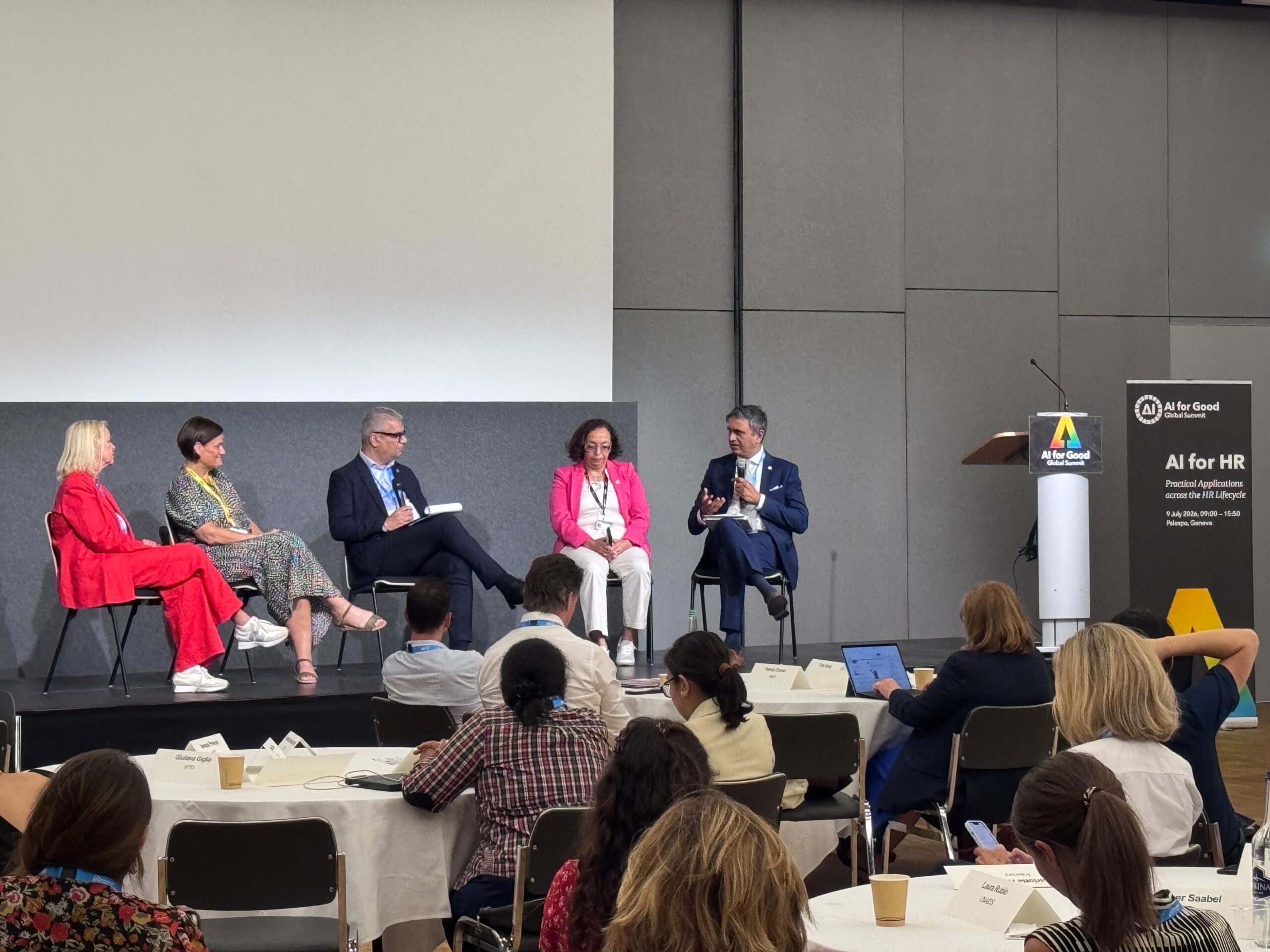
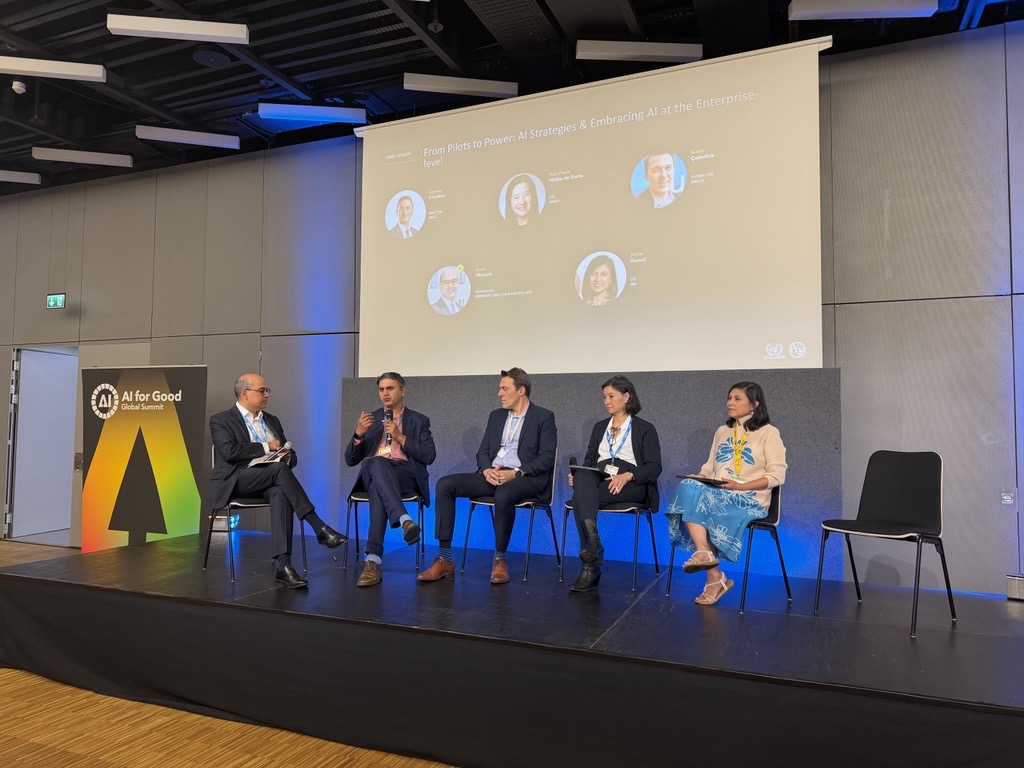
On the final day of the Summit, the UNICC Director joined the UN CIO AI Forum panel, “From Pilots to Power: AI Strategies & Embracing AI at the Enterprise-level“, alongside technology leaders from across the UN system. Reflecting on UNICC’s AI journey, he explained how it began with the operational needs of partner organizations and has since evolved from individual AI solutions toward shared and trusted capabilities that support AI adoption across multiple organizations. He emphasized that the greatest barrier to enterprise AI is often not the models themselves, but the trusted infrastructure, governance, and operational capabilities needed to move from experimentation to production. To address this, he highlighted UNICC’s vision for Foundational AI Platforms as a shared approach to helping organizations scale AI securely, responsibly, and efficiently.
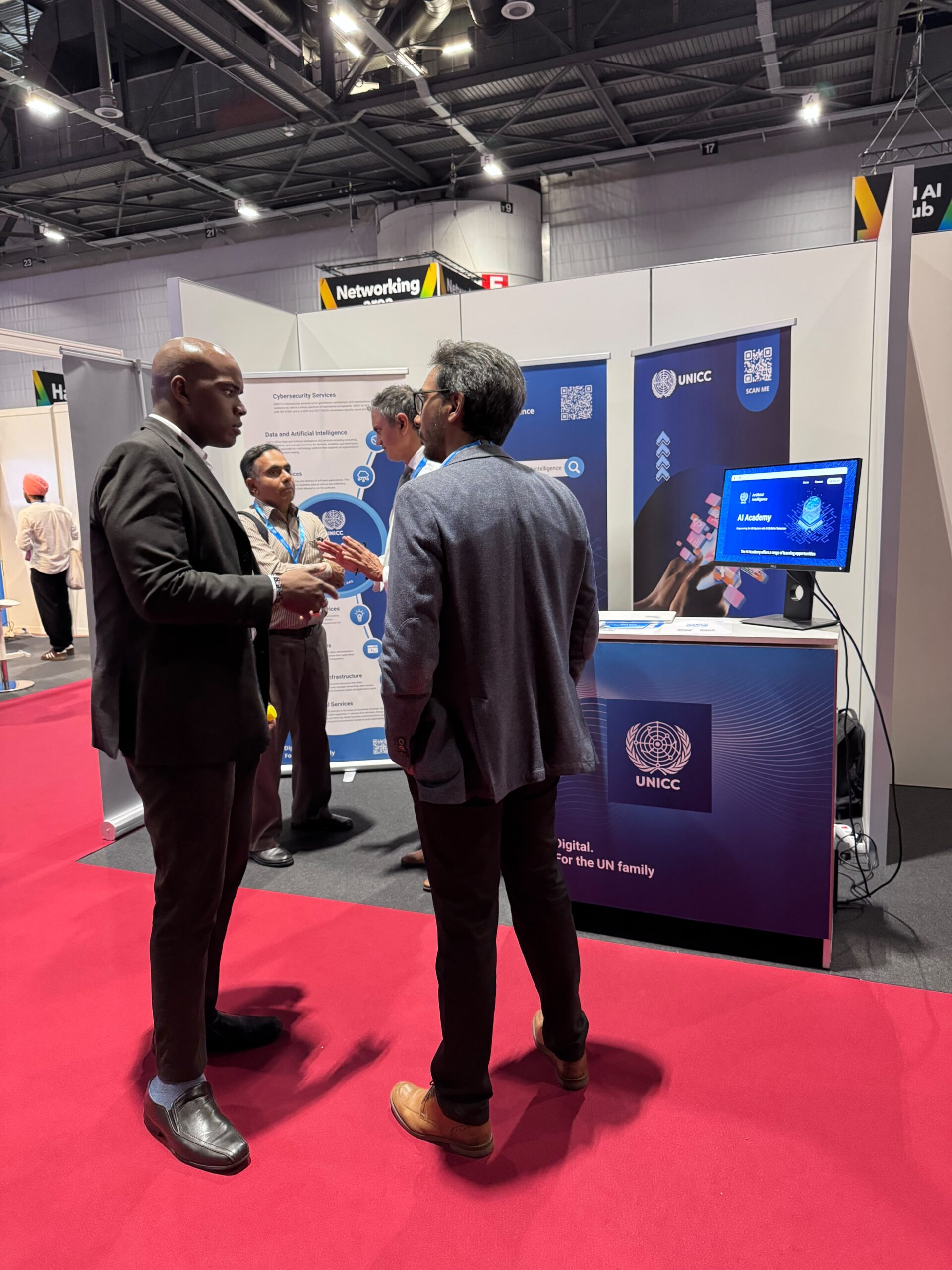
Alongside its speaking engagements, UNICC maintained an active presence throughout the week with exhibition booths at both the WSIS Forum and the AI for Good Global Summit. Visitors had the opportunity to engage with UNICC colleagues and learn more about the organization’s work. The booths also provided a space for knowledge exchange, collaboration, and conversations with partners from around the world.
Through its participation across these global platforms, UNICC reaffirmed its commitment to supporting the UN system and the wider international community with secure, trusted, and innovative digital foundations. This work contributes to the broader vision that Member States and the UN system are advancing together through initiatives such as the Global Digital Compact, the Independent International Scientific Panel on AI, and the Secretary-General’s UN 2.0 and UN80 reform agendas. By combining strategic dialogue with practical implementation, UNICC continues to help organizations in harnessing technology while advancing a more connected, resilient, and inclusive digital future.